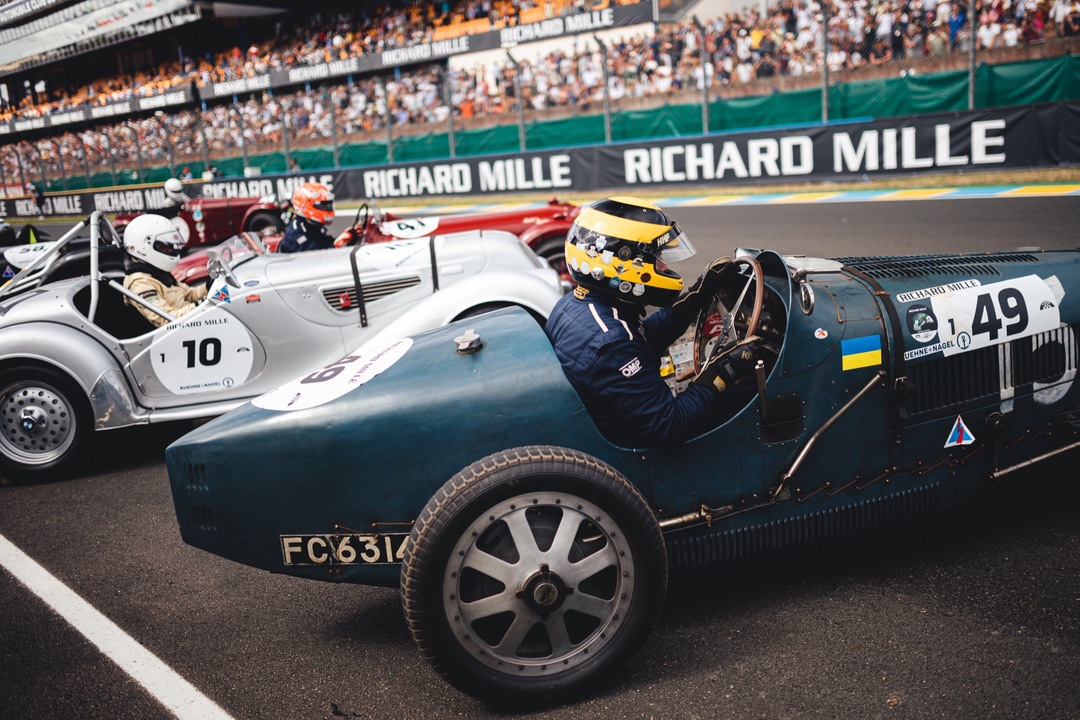
Where it all started. In 1923, the 24 Hours of Le Mans opened a new chapter in motoring history. For 24 hours, manufacturers and private competitors came to pit their machines against an unprecedented challenge: go the distance, go fast and push the limits of reliability.
More than a century later, Grid 1 brings this pioneering era back to life on the full Le Mans circuit. Some cars are over 90 years old, their gearboxes are unsynchronised and their braking belongs to another era. Yet they already exceed 100 mph on the Mulsanne Straight.
Seeing them take to the track again today, right where their history was written, offers one of the most striking journeys back in time at Le Mans Classic.
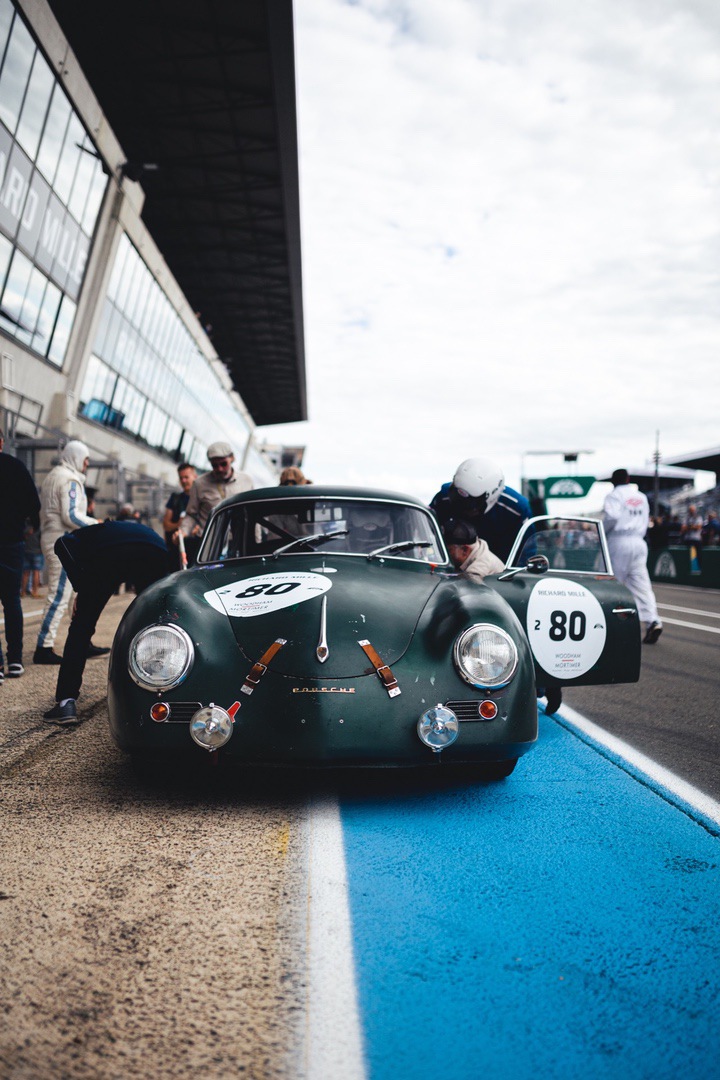
Le Mans springs back to life, and the battle shifts to another dimension. After a ten-year hiatus, the 24 Hours of Le Mans returned to the track in 1949. A new generation of manufacturers quickly made their mark: Ferrari won the event upon its return, while Jaguar left a deep impression on the 1950s with its legendary C and D-Types. Talbot and Mercedes also added their names to the winners' list during a period when performance and innovation were advancing at a rapid pace.
But Le Mans remains also the playground of enthusiasts and «mechanical wizards». Alongside the major marques, independent craftsmen and privateer competitors design their own machines, experiment and strive for performance with the means available to them.
Plateau 2 brings back to life this rich period when Jaguar, Ferrari, Talbot, Mercedes, DB and Panhard were all telling the same story: that of a Le Mans in full renaissance, where every idea could still make a difference.
Ferrari lay down the law, Aston Martin gatecrash the battle. In the late 1950s, Ferrari took on a new dimension at Le Mans. Already formidable in major road races, the Italian marque gradually transformed La Sarthe into its own territory of conquest, chaining together successes against ever-tougher competition.
However, in 1959 Aston Martin interrupted this domination by claiming its only victory at the 24 Hours of Le Mans. It was a major success for the British marque, before Ferrari quickly reclaimed the advantage and continued its march forward.
Plateau 3 plunges back into that period when major European brands engaged in an intense battle of speed, endurance and prestige.
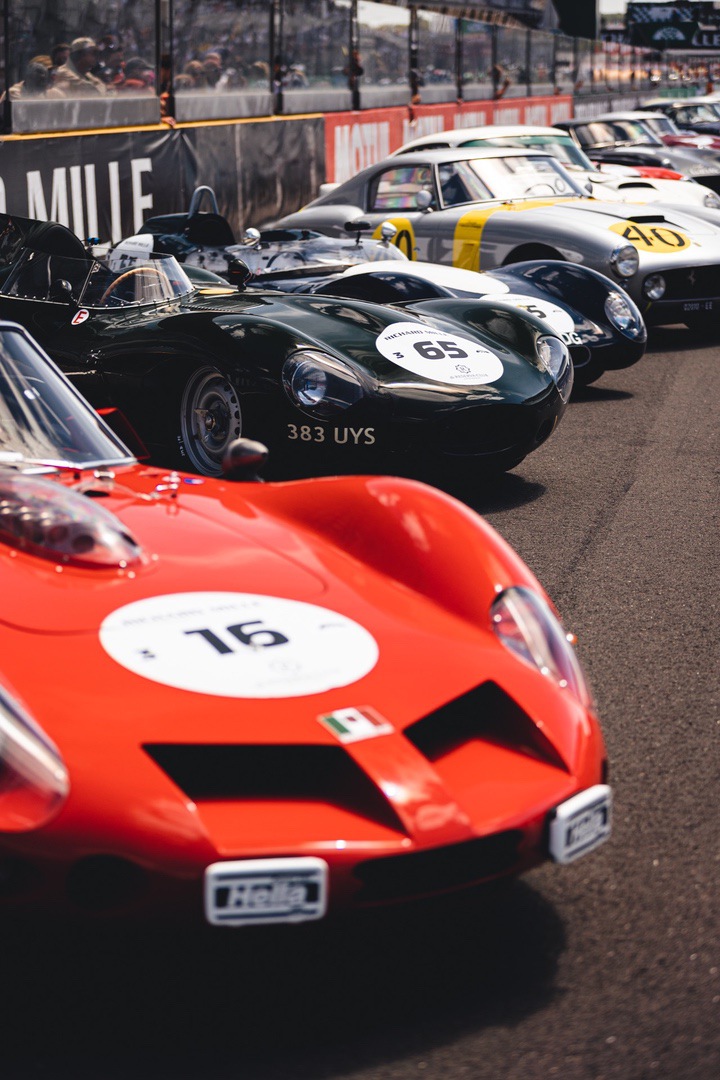
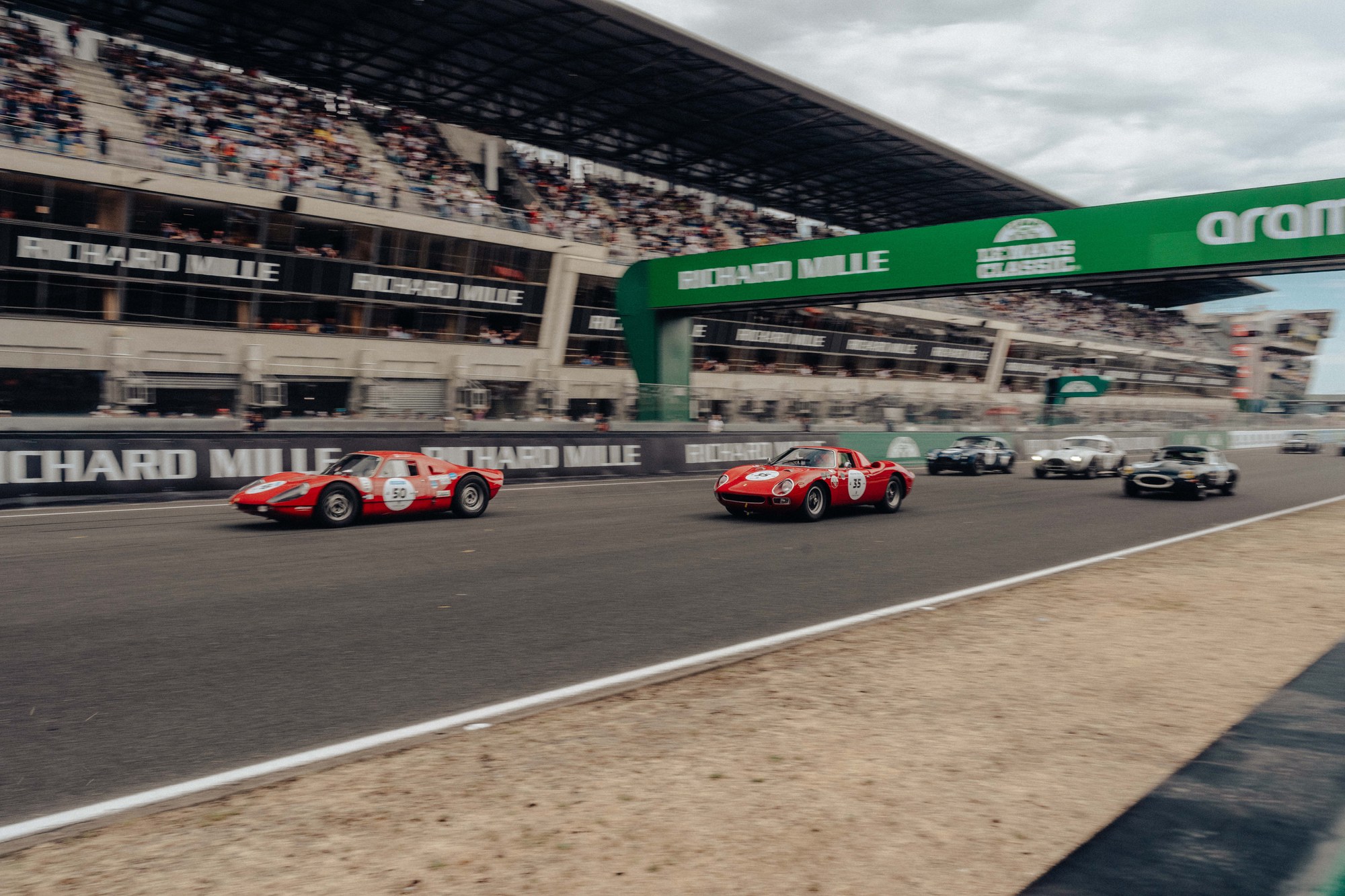
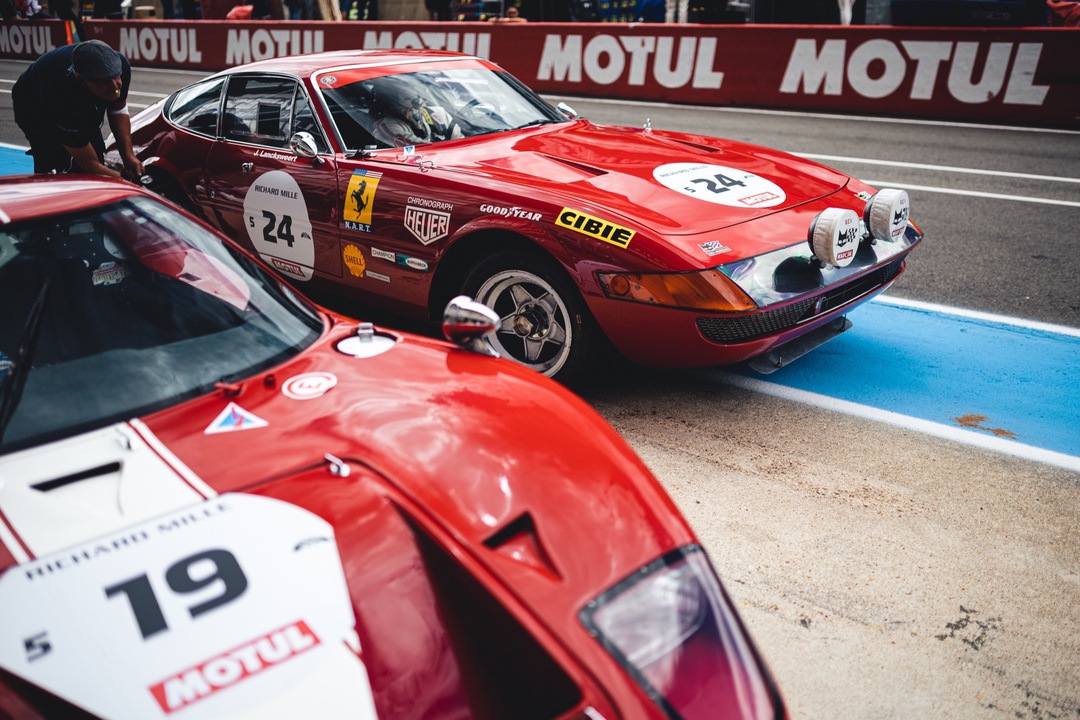
Ferrari still dominates. But America is arriving. At the beginning of the 1960s, Ferrari reigned supreme at the 24 Hours of Le Mans, racking up victory after victory. The Italian brand asserted its mastery of endurance racing, while GT cars assumed an ever more important role in the race.
Yet a new adversary is preparing. Ford is making its first steps at Le Mans before entering the GT40 and Cobra Daytona, heralding a clash that will profoundly mark the history of the event.
Plateau 4 recounts this pivotal moment: the one where European dominance begins to falter in the face of the massive arrival of American manufacturers.
Ford strikes hard, Porsche takes over. From 1966, Le Mans changed scale. Ford imposed its GT40 and came to challenge Ferrari with spectacular dominance, going so far as to monopolise the podium. The 1967 race, which has become legendary for the quality of its grid and the level of performance achieved, marks one of the peaks of this confrontation.
Ford continued its winning streak into 1969 and firmly etched the GT40 into the history of Le Mans. Then Porsche took over and pushed the limits of performance even further, until in 1971 they set a record 24-hour average speed that would remain a benchmark for several decades.
Plateau 5 revives this turning point, when American power and German mastery redefined the standards of endurance.